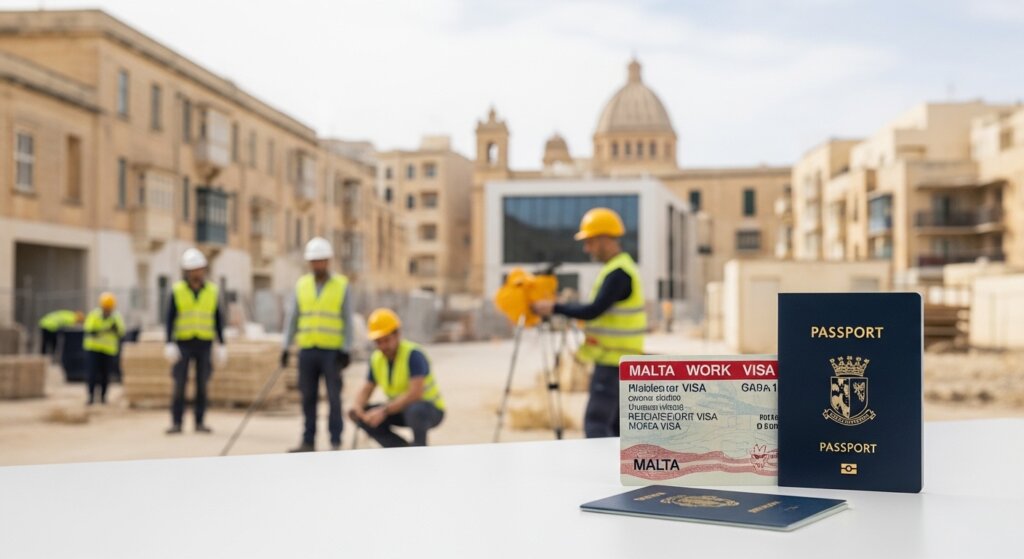
Malta, the sun-drenched archipelago in the heart of the Mediterranean, continues to be a powerful magnet for global talent. Known for its robust economy, English-speaking environment, and high quality of life, the nation is actively seeking skilled professionals to fill gaps in its booming sectors. If you are planning to advance your career overseas, securing a Malta work visa in 2026 might be your perfect gateway to Europe.
This comprehensive guide covers everything you need to know about the Malta work permit processing, requirements, and the fastest-growing industries to help you seamlessly transition to your new life abroad.
The Appeal of Moving to Malta in 2026
Malta is not just a top tourist destination; it is a thriving hub for international business. As a member of the European Union and the Schengen Area, holding a Maltese residence permit grants you significant mobility across Europe. The government has streamlined many of its immigration pathways for 2026, making it easier for non-EU/EEA nationals to live and work legally on the island. Whether you are looking for lucrative financial services jobs Malta or exploring the dynamic iGaming industry Malta, the opportunities are vast.
Primary Types of Malta Work Visas
To work legally in Malta, non-EU citizens must obtain the appropriate authorization. Here are the main pathways available in 2026:
- The Single Permit: This is the most common route. It is a combined document that grants both the right to reside and the right to work in Malta. It is tied to a specific employer and a specific role.
- Key Employee Initiative (KEI): Designed for highly specialized professionals taking up managerial or highly technical roles. This fast-track program offers a significantly reduced Malta work permit processing time, often taking just five working days after submission, provided the applicant meets the high salary threshold.
- Malta Digital Nomad Visa: Officially known as the Nomad Residence Permit, this is perfect for remote workers. If you are employed by a company outside of Malta, or run your own foreign-registered business, this visa allows you to live in Malta while earning a foreign income.
Core Requirements for a Malta Work Visa 2026
Navigating the Schengen visa application and Maltese residency requirements requires careful preparation. While specific documents vary based on the visa type, the standard requirements for a Single Permit include:
- A valid passport with at least two blank pages.
- A formal employment contract or binding job offer from a Malta-based employer.
- A comprehensive health insurance for expats policy covering all medical risks in Malta.
- Proof of sufficient financial means to support yourself.
- Proof of accommodation, such as a signed lease agreement in Malta.
- A clear criminal background check from your home country.
Pro Tip: Because the paperwork can be complex and the regulations strictly enforced, many successful applicants choose to hire an immigration lawyer Malta to handle their documentation and ensure a smooth, error-free application process.
The Application Process: Step-by-Step
Understanding the bureaucratic process is essential for a stress-free relocation. Here is how the application generally unfolds:
- Secure a Job Offer: Your future employer must prove they could not fill the position with an EU/EEA national (unless your role is on the highly skilled shortage list).
- Employer Submits the Application: In Malta, the employer initiates the Single Permit application through Identità (the government agency handling residency and visas).
- Approval in Principle: Once the application is vetted, you will receive an “Approval in Principle” letter.
- Enter Malta: You can use this letter to apply for a national entry visa (Type D) at your local Maltese embassy or consulate to travel to the country.
- Biometrics and Final Permit: Upon arriving in Malta, you will submit your biometrics (fingerprints and photo) and receive your official residence card.
Top Industries Hiring in Malta
Malta’s economy is highly diversified, but certain sectors are actively hunting for international talent in 2026:
- iGaming and Tech: Malta is widely considered the iGaming capital of the world. Software developers, data analysts, SEO specialists, and product managers will find an abundance of high-paying tech jobs in Malta.
- Financial Services and Fintech: With a strong regulatory framework, Malta is a hub for banking, wealth management, and blockchain technology.
- Healthcare and Medical: There is a continuous demand for nurses, doctors, and specialized medical technicians.
- Tourism and Hospitality: As a perennial vacation hotspot, luxury hotels and hospitality management companies are always recruiting.
Settling In: Relocation and Wealth Management
Moving to a new country involves more than just getting a visa. Once your paperwork is approved, you will need to establish your day-to-day life.
Many expats utilize professional relocation services Malta to help find long-term rentals, set up utilities, and navigate the local real estate market. Additionally, setting up your financial infrastructure is crucial. Opening a local bank account, understanding your new tax obligations, and exploring business investment Malta opportunities are vital steps for long-term wealth building in Europe.
By securing the right job, investing in robust health insurance for expats, and potentially consulting with an immigration lawyer Malta, your transition to the Mediterranean can be both professionally rewarding and personally enriching.